BOTOX® Cosmetic is commonly used to soften crow’s feet that appear when you smile, laugh, or squint. These lines develop partly because the muscles around your eyes repeatedly contract and fold the overlying skin. BOTOX temporarily reduces that activity, allowing the skin beside your eyes to seem smoother. Lines that remain visible while your face is relaxed may require a different approach.
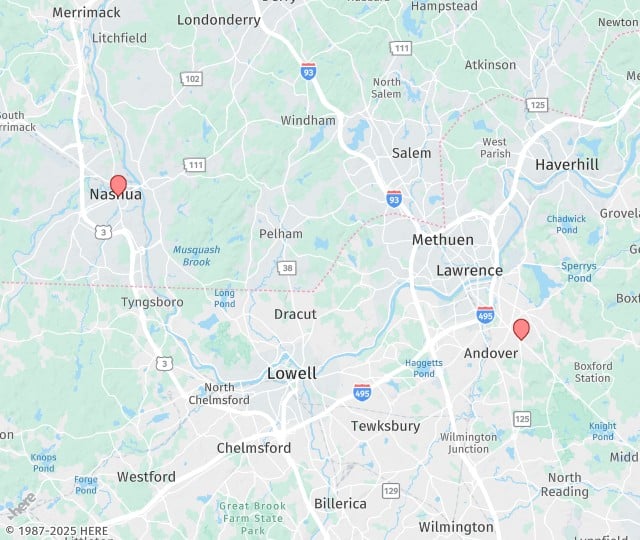
With offices in North Andover, MA, and Nashua, NH, George P. Chatson, MD, provides surgical and nonsurgical facial care. Dr. Chatson is certified by the American Board of Plastic Surgery and completed plastic surgery training at Brown University’s Rhode Island Hospital and Harvard University’s Brigham and Women’s Hospital.
Why Do Crow’s Feet Form?
Crow’s feet are the fine lines that extend from the outer corners of your eyes. They often become more noticeable when you make facial expressions, though deeper lines may eventually remain visible at rest.
Several factors can influence when these wrinkles appear and how prominent they become:
- Repeated smiling, squinting, and other facial movements
- Natural changes in collagen and tissue elasticity
- Sun exposure
- Thin skin around the eyes
- Genetics
- Smoking
Crow’s feet are a normal part of facial movement and aging. Still, you may decide to address them when they become deeper or remain visible even when you aren’t smiling.
What’s the Difference Between Dynamic and Static Crow’s Feet?
Dynamic crow’s feet appear mainly when the muscles around your eyes contract. You’ll usually notice them while smiling, laughing, or squinting.
Static crow’s feet remain visible when your face is relaxed. They may develop as repeated movement combines with sun damage, collagen loss, and other age-related changes.
This distinction matters because treatments work in different ways. BOTOX targets the activity responsible for dynamic lines. Services that focus on texture may be considered when lines have become etched into the skin.
How Does BOTOX Soften Crow’s Feet?
BOTOX is a neuromodulator that temporarily interrupts communication between selected nerves and muscles. When injected beside the eyes, it reduces the contractions that cause crow’s feet to deepen during facial expressions.
The goal isn’t to stop you from smiling or make your face seem stiff. Careful placement and dosing can soften the lines while preserving natural movement.
Results are temporary. BOTOX results generally last about three to four months, though your experience can vary. As muscle activity gradually returns, the lines may begin to reappear. Additional injections can help maintain the change.
Temporary redness, swelling, tenderness, or bruising may occur near the injection sites. Less common complications can affect the eyelids, brows, or eyes, which is why treatment near this area requires careful placement by a qualified medical injector.
Does Eyelid Surgery Remove Crow’s Feet?
Blepharoplasty isn’t primarily designed to treat crow’s feet. Eyelid surgery addresses concerns such as excess upper-eyelid skin, sagging lids, puffiness, and under-eye bags.
This procedure may improve certain wrinkles on the eyelids, but it doesn’t stop the contractions that create lines beside your eyes. When someone has both eyelid aging and dynamic crow’s feet, surgery and BOTOX may address different concerns.
Can You Prevent Crow’s Feet?
You can’t completely prevent expression lines, but a few habits may slow damage or keep them from becoming more pronounced:
- Apply broad-spectrum sunscreen regularly.
- Wear sunglasses to reduce repeated squinting.
- Avoid smoking.
- Use a moisturizer suited to the eye area.
- Ask a qualified medical professional whether retinoids or other products are appropriate for you.
Find the Right Crow’s Feet Treatment for You
The right option depends on whether your lines appear with movement, remain visible at rest, or occur alongside loose eyelid skin and other concerns. Dr. Chatson can examine the eye area and discuss which nonsurgical or surgical options fit your goals.
For care in North Andover, MA, call 978-687-1151. You can reach the Nashua, NH, office at 603-882-2103 or contact us online to request an appointment with Dr. Chatson